Saturday, December 30, 2006

Five Things You Don't Know About Me........ A Belated MeMe!


©1970 by Ron Mesaros & Playboy - Click on photo to enlarge
I was tagged for the '5 things meme' awhile back by Claire at the Clairesgarden blog and I've finally obliged.
So, here's 5 things you don't know about me...
1. I bet you didn't know that I once posed topless for Playboy Magazine!
Yup, that's me on the far right, at 24 years old, with a group of Topanga residents who were hired by photographer Ron Mesaros to pose for this photo which illustrated a November 1970 Playboy Magazine article, 'West Of Eden', about Hippie Communes (I believe we were paid 20 or 25 dollars apiece which was good money in those days when you consider I was making $2.50 an hour doing odd jobs here & there).
I had previously participated in a few communes, but this group wasn't part of a commune, we were just hired randomly for the photo.
Playboy actually sold a large-sized wall poster version of this picture, and, even years later, people I didn't know would approach me, out of the blue, to say they had the poster hanging on their wall.
Today, almost 37 years later, there are rainbow colored retro posters being sold on eBay, titled MORNING STAR COMMUNE, which use this same photo cut out in a heart shape. Who woulda' thunk it?
The picture posted above was tweaked in Photoshop to smooth out the halftone color process printing dots.
2. I'll also bet that most of you don't know I was married once before.
Yup, and that's my first wife, Julie (3rd from the right), holding a child that actually belonged to the naked couple in the foreground. Julie and I were together for several years but she ran off with her Karate instructor a few months after we got married. The photo was taken in Topanga Canyon sometime in 1970. The guy on the far left is Bruce, and the girl standing next to me is Gail, but I don't remember the other people's names.
3. Around this same time I was also hired by a fashion designer to dance with a group of Hippie types on Art Linkletter's House Party TV show.
The dancing was a complete disaster and the designer's career probably ended with that show. We were all wearing this person's latest "gypsy styled" creations (I was stylin' in a long-sleeved leather pullover shirt with rawhide lacing & wide-bell-bottom paisley print pants---NICE!!!) and trying to dance in a wild, beat-heavy Hippie groove, to sleepy Lawrence Welk style orchestra music. One of the female models actually cried her way through the whole absurd ordeal. I earned every penny of $100 for this pitiful gig but was too embarrassed to even watch the episode when it aired.
4. My biological father was a diabetic who drank himself to death (at 36 years of age) when I was 15, just a couple of years after he and my mother divorced.
My mother re-married when I was 14 but my stepfather didn't adjust very well to having a house full of rowdy divorcee's kids (4 of us at first, then 5 after his own daughter was born to my mom), so he took to locking us out of the house while they were at work all day. Consequently, during my life as a 'latch-key kid', between the ages of 14 and 18, I pretty much raised myself on the streets, in the company of the other hoodlums from my neighborhood.
5. When I was 17 years old I was arrested for robbing a dry-cleaning shop of $17 and spent 3 months in the old Juvenile Hall in downtown Los Angeles.
The headline in the paper read, "Daring Teenage Bandits Rob Dry Cleaner In Broad Daylight" (there were two of us). The old woman who worked there claimed that we got off with a couple of hundred dollars (she must've had some money hidden that she kept for herself, so we weren't the only crooks taking someone to the cleaners that day). She was also an artist who drew very good likenesses of us for the police, along with a description of our car (which had been parked around the corner on a different street). So, a few weeks later, the police staked out our school and blocked the gate as we were leaving. We were then handcuffed to the fence as school was letting out for all of our friends and classmates to gawk at.
Fortunately for me, after staying out of trouble between then and my 21st birthday, I had my juvenile police record legally expunged, through the courts, or I never would've been able to work for the Post Office.
I consider myself very lucky because, at the time, my life could've continued down the wrong path so easily. But I decided to leave my old neighborhood, and my old gang of hoodlum friends behind, and set out for the 'beatnik' lifestyle of 1964's Greenwich Village in New York City.
There, I discovered more creative ways of getting into trouble, but I managed to stay out of jail long enough to grow up a little bit.
Well, there you have it, 5 things you didn't know about me (and probably didn't want to know) involving my adolescent transition from angry young felon to beatnik-hippie-flowerchild-fashion/photography model. Of course, this was all prior to my glamorous 30 year career as a postman.
~But the picture is from the glory days, when I honestly believed my generation was changing the world in ways that would yield a brighter, more sustainable future. Way back then, I was known around Topanga as "Beautiful Jim", a nickname given to me by a local hair-stylist who admired my thick wavy locks, even though she never got to cut or style them. Much to my chagrin the name stuck to me for years, and even today there's one person, Janet, the model in my 1977 20th Century Crucifixion photo, who still calls me that.
What a long strange trip it's been!
;~)

Labels: , , , , , ,

Monday, November 27, 2006

As in Life… There is much Beauty & Generosity in Death…


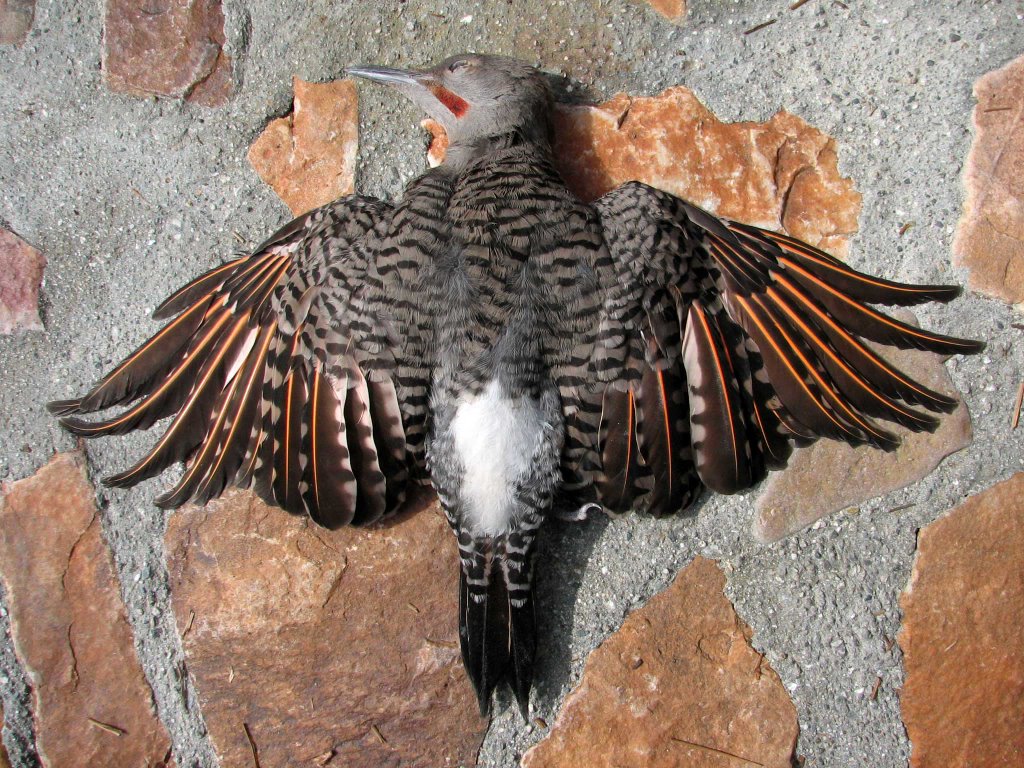
Click on photo to enlarge - a fallen Flicker - © 2006 jim otterstrom

Forty some years ago there was a Sycamore tree growing beside a stream along Old Topanga Canyon Road in the Santa Monica Mountains.

A friend and I, through the early hours of dawn, sat above the stream, hanging our legs off the edge of a large corrugated culvert, which guided a small tributary, beneath the pavement we had driven there on, into the stream below.

We languished there in the cool shade, for minutes running into hours, listening to the trickle of water falling between us into the creek below, watching flying insects, and birds, interact with one another in the exchanges that enable their lives and deaths.

Fluff drifted gently down from the surrounding trees to float away on the surface of the water in the soft morning light.

As we watched the drama of life unfolding there before us, this one particular Sycamore caught my eye. It had two trunks, one of which had tumbled over, and was lying across the stream.

The part of the tree still standing was in full summer leaf, healthy, vibrant, and full of life. But the fallen trunk, which had obviously been down for some time, lay decomposing along the sandy banks.

Upon closer observation, I became entranced with the teaming complexity of life being supported by the rotting fibers of the dead part of the tree. Young plants sprouted glorious green shoots from rich black compost, while shimmering, crawling, slithering insects of myriad description---clamoring, tunneling, over and through this visibly wholesome detritus---searched for nutrition, shelter, and procreation.

Sensitized that morning, to the intricately beautiful details of the non-human, after a long night spent in wonder and celestial celebration atop the jagged spine of the Santa Monica’s, I was experiencing, possibly, my most life-changing epiphany.

There was as much life in the dead part of the tree as in the living (& certainly more diversity), and I stood there for a long time, taking my first clear look into death, and what I’ve come to understand as everlasting life.

Since that fine day of my well-spent reckless youth, I no longer fret over the possibility of roasting eternally in the hell-fires of some control-freak God’s vindictive damnation, because I realized right then, that, like everything else, I’m simply going to metamorphose back into the wondrous matrix of the cosmos, where we continue our journey together for eternity, whatever that is.

There will be no Pearly Gates for me, no bean-counting Saint Peter with his ledger of sins and good deeds, no streets paved with cold hard Gold, nor flaming red Devil with his fork up my ass, and no reunion with long lost humans, family or otherwise.

My re-union will be in the giving back of my body---to the living Earth, as sustenance for the continuance of life, and, in the spirit of my consciousness, freed from the reductionism of being human---as my molecules, atoms, and energy once again wander & mingle among the elements of universality.

How do I know this?

I carefully observe the nature around me, seeing that I’m simply a tiny part of something very huge and complex, and I have faith in what I see.

Isn’t faith what your religion is based upon?


Now I’m in no hurry to die! I very much enjoy life as a human being, but the thought of my death doesn’t frighten me either, it’s purely the reality awaiting me when the days of Jim are over.

We are but cosmic dust, charged and electric, yet look around at all the beauty forged from the combination, and evolution, of these forces during the eons which have led to our lives today.

We hear much talk of “a better world in the hereafter” or “everlasting life in heaven above” from the churches and religions of our time, the same religions that would separate, anthropocentrically, our bodies from our souls, and our species from the rest of nature.

But anthropocentricity---the regarding of man as the central fact or final aim of the universe---is a selfish, ignorant, narcissistic notion, that, in life, deprives us of seeing, and fully enjoying, that we are an integral part of something much greater and more magical than ourselves.

Even in death, we humans continue this arrogant selfishness by having our bodies embalmed or cremated, entombed in wood, concrete or steel, thus depriving the earth of our rich life-giving nutrients for as long as we possibly can.

When I put a dead plant or animal on my dinner plate, I’m thankful for the bountiful generosity of nature, and the exchange of energy between life-forms, which allows this whole thing to continue and evolve. We are all part of the food chain.

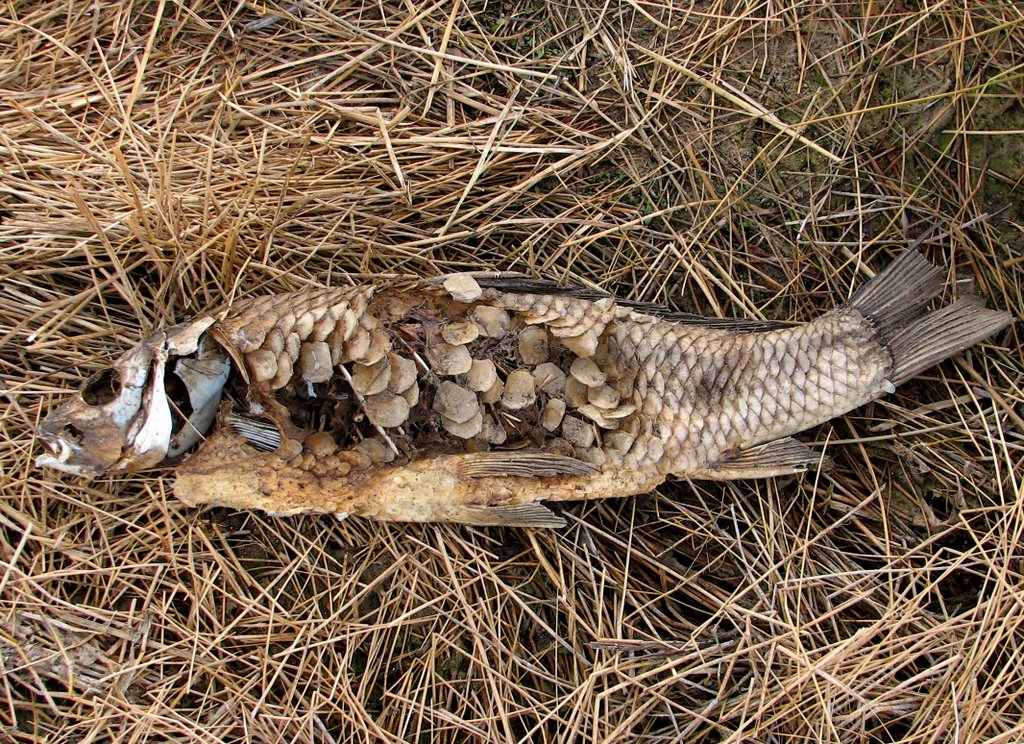
And when I see a dead animal or a fallen tree, decomposing by the roadside---or along a trail in the wild---I see the even-handed generosity of nature, allowing with every loss, other lives to thrive and grow.

My body, soul, species, and the nature around me, including the whole of the cosmos, are all of one, and I have no fear of rejoining that larger self.

When that time does arrive, I’d like nothing more than to become healthful nutritious worm food.

Yes, these are thoughts of death, but to me, they’re not depressing or melancholy.


They are thoughts about our place in nature, about harmony, balance, and exchange.


They're the result of long-studied observations, and my deeply-felt optimism concerning the bio-centric, egalitarian laws of nature---and the interdependence, resilience, and self-perpetuating tendancy toward diversity inherent to life itself---in its passionate desire to persist and to flourish.

But these are probably not very welcome, comforting, or even fathomable observations to the anthropocentric, who would have the world, or rather, the entire universe, revolving around themselves.


Click on photo to enlarge - the decaying shell of a Carp

Labels: , , , , , , , , , , ,

Tuesday, August 08, 2006

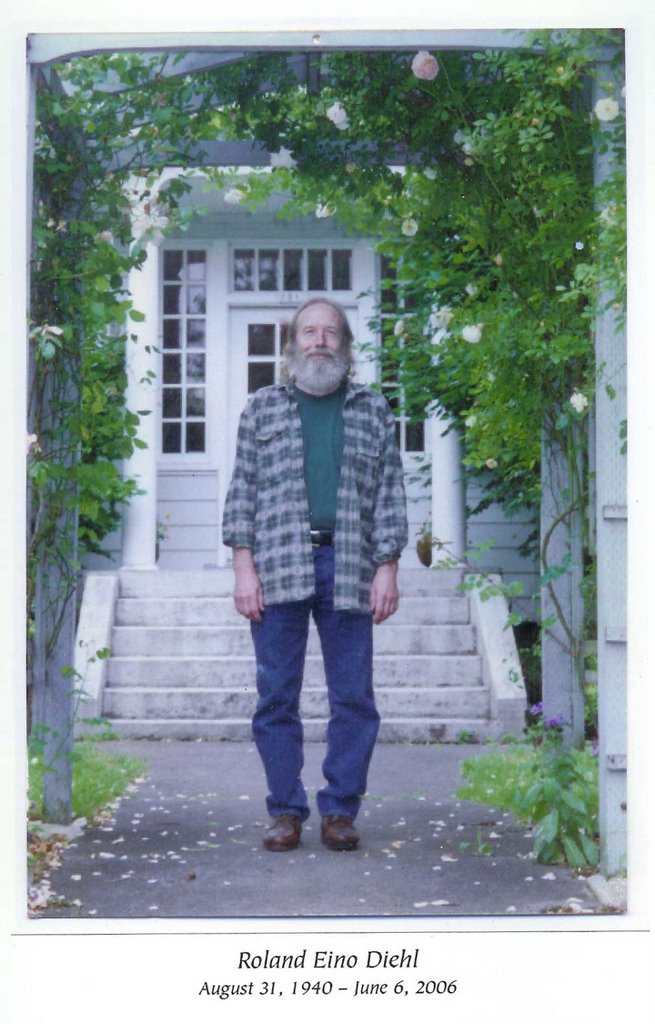
Roland Diehl 1940 - 2006


Click on photo to enlarge


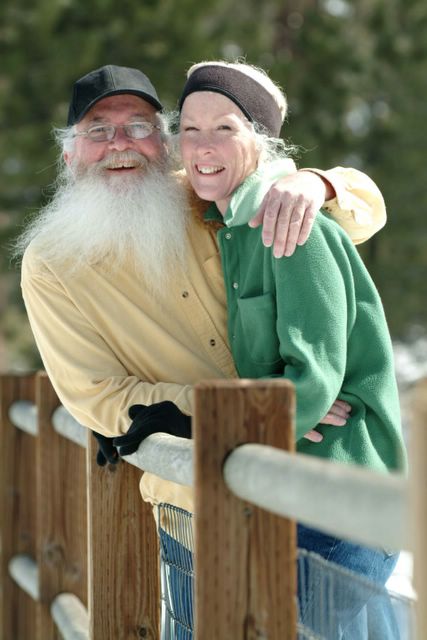
Roland Diehl, one of my hippie brothers of the Topanga years passed away at 65, from cancer, on June 6th.

As you can see from the joy on his face Roland found great happiness with his loving sweetheart and partner of many years, Manda Beckett, who is holding a memorial for him on September 3rd, the weekend following his 66th birthday, which is August 31st.

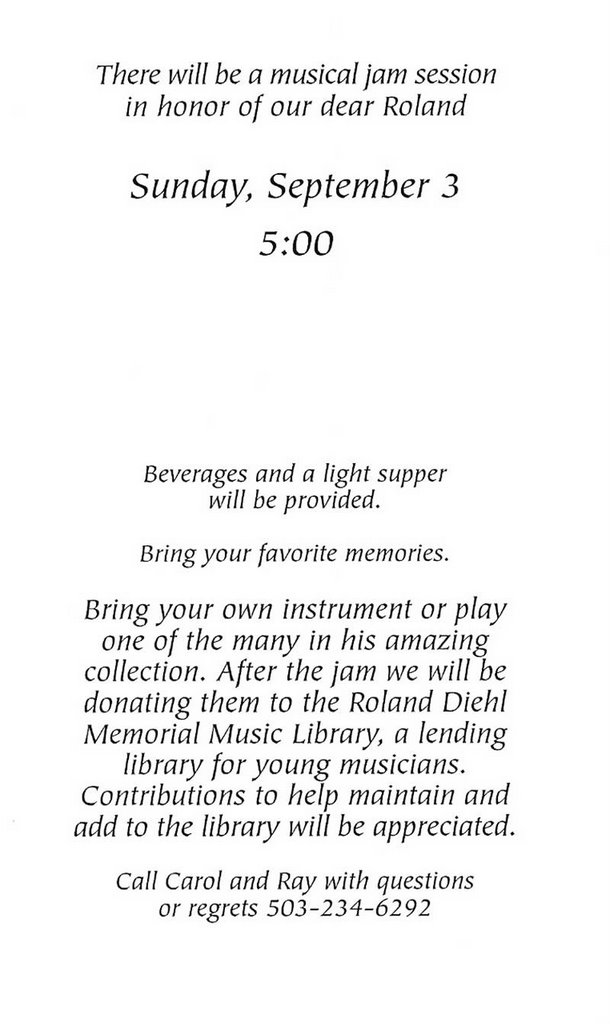
The above invitation came with the mail today and I’m going to try and catch a train up to share in the celebration of his life. Roland’s gentle loving playful spirit will certainly be presiding and I'd love to partake in that experience one last time.

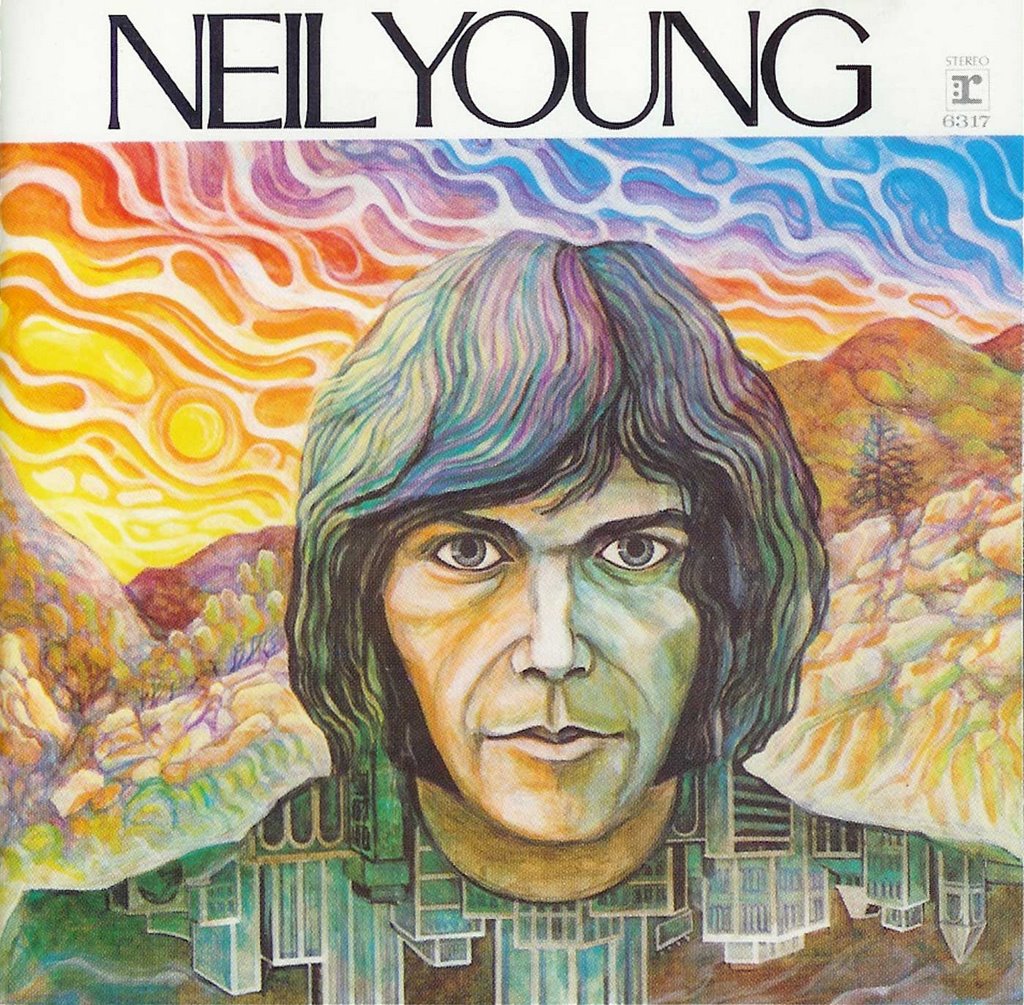
When I moved to Topanga in 1965 Roland was a 25 year old painter, and already an iconic figure of the canyon art scene. His best known work is the cover he painted for Neil Young’s first album in 1969 which I’ve posted below.

A couple of years before I left Topanga Roland moved to Portland, Oregon where he’s been working, loving, and playing his beloved conga drums with his friends up there ever since. We kept in touch by phone over the years, and it was a special treat for me a few years ago when Roland sent CDs of some of their drum sessions because my favorite memories of Roland are the Topanga drum circles we shared in 40 years ago.


Topanga Canyon was an impossibly beautiful vortex of free-spirited originality during the 60s, an island of creative experimentation, revelation, love, peace, freedom, and fellowship. For a brief few years it was a low-rent Bohemian art colony paradise-found, where in youthful innocence, we played naked in the garden as the world raged around us. The handful of friends I still have from that time share an almost sacred bond. Roland was a founder of that Topanga, one of the originals.


Your spirit lives on here in Southern California, too, Roland…

Peace....


Click on cover to enlarge - Painting by Roland Diehl - 1968

Labels: , , , , ,

Sunday, August 06, 2006

1974-1979 Another Time, Another Craft...


Click on photo to enlarge

As you might have gathered from this blog, I've always had the desire to express myself artistically or creatively in some way, and after I started working for the Post Office that need grew stronger, so in 1974 I took a class on making stained glass windows, another craft I had long admired.

I pursued this rewarding hobby for several years and here are some of the results.

The window above measures 24 x 36 inches and was made for the front door of my parents home in Granada Hills. For this one I bought a pattern I liked and selected some earthy tones of glass that would bring warm colorful light into their house yet still allow them complete privacy from the busy street they lived on.


This was the last window I built, starting it in mid 1978, but not completing it until late 1979 because of being laid up from a motorcycle accident in which I almost lost the lower part of my right leg. Mom sold the Granada Hills house recently and I was very pleased to learn that she shipped this window along to her new home in Utah.

I still love the design of this one even though it was a fairly common pattern back then.


Click on photo to enlarge

In 1976 I was hired by a builder in Topanga Canyon to make a few windows for two rustic custom homes he was constructing out of huge timbers he salvaged from the old Ocean Park Pier in Santa Monica, and from ancient heavy planks that were once the floor of an old Southern California Chrysler assembly plant.

They weren't exactly your typical humble hippie abodes of the day, but most of the materials were recycled, and he built them all himself. Well, not entirely by himself, he did hire helpers, so I made the stained glass windows and also helped dig & install a leachfield for one of the septic systems.

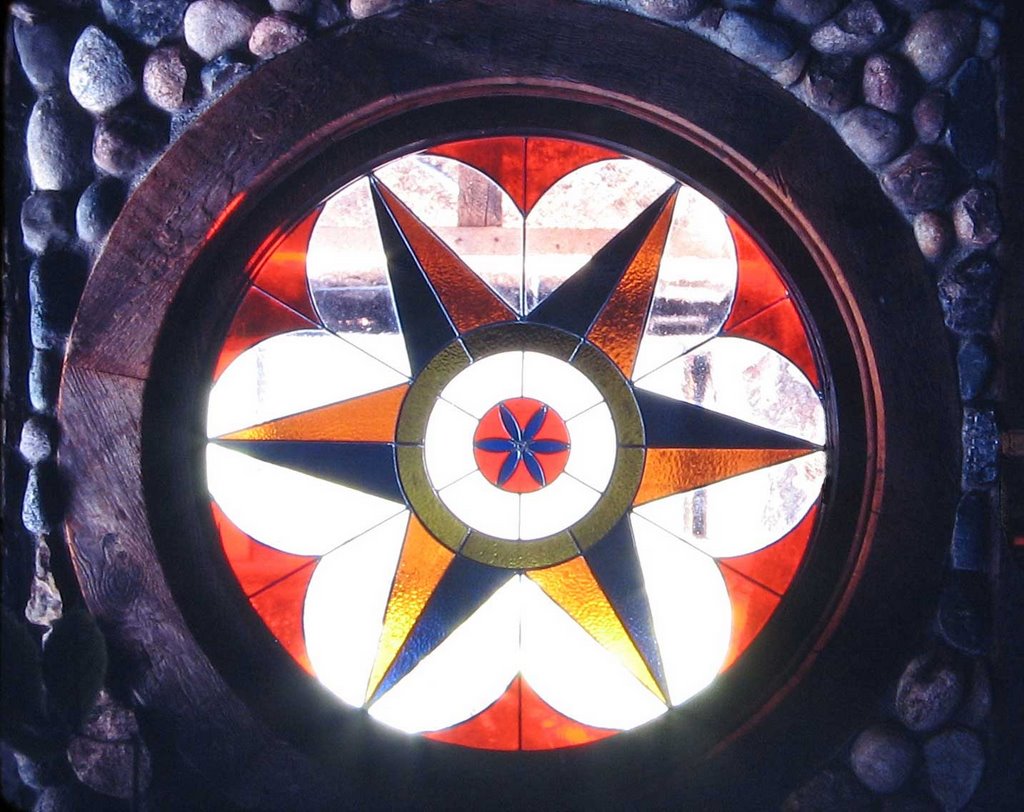
This window was by far my biggest stained glass challenge. It's four feet in diameter and the owner/builder requested a Pennsylvania Dutch Hex Sign design which he wanted to be at least semi-transparent.

The design part was simple enough, I just checked out a Pennsylvania Dutch Hex Sign book from the library, found one he liked that I thought I could make into a window, and then selected the appropriate colors of glass in a variety of textures that I felt would accentuate the strong elements of the design even in a translucent/semi-transparent medium.

The challenge came in bracing and stabilizing a large-paned four foot diameter round window without detracting from the design. With a bit of difficulty I fabricated a segmented galvanized steel brace which was then soldered to the lead came on the outside of the completed window, and last I heard it was still there.

Some Pennsylvania Dutch folks believe the commonly six-pointed hex signs bring good luck or ward off evil spirits, and that the colors each have a meaning.

Blue for protection - note the six-sided cobalt blue center.

Red for emotion, passion, lust, & creativity - I chose a clearly vivid red don't you think? ;~)

Green for fertility & growth - a green ring anchors the segments of the large six-pointed central star.

Violet for things sacred - it's hard to tell from the photo but half segments of the large star are violet.

Orange for success in career - the other halves of the large star segments are orange.

White for purity - The clear panels were white in the original design and they do let a pure clean light into the room, which appears to be white on occasion, like in the photo.

But I wouldn't know about all that because I'm not Pennsylvania Dutch, I'm Swedish, Irish, and Cherokee...

The window was fitted into a massive frame and installed in a rock wall beside the hand-hewn front door of the house the builder constructed for himself.

I took the picture from inside the finished house a year or so after I built the window.


Click on photo to enlarge

The same builder was constructing a similar house on an adjoining lot with more of the same salvaged timbers. This was a spec house built and sold to pay off his construction loans on the two houses. The antique etched glass above was installed in the master bathroom of the spec house and I made the smaller stained glass panels to either side. These are two of my favorite windows because they were among the first ones in which the design was all my own.

I haven't done any stained glass work in 27 years, but I still have the equipment, so who knows, maybe one of these days I'll get back to it...

We have a couple of windows in our house that would look nice in stained glass

I rediscovered these old photos while going through my slides, copying them into digital format with a slide copier. I removed some dust specks and scratches in Photoshop.

Labels: , , , ,

Thursday, August 03, 2006

$15 Studebaker - Van Nuys, California - 1971


Click on photo to enlarge

So here's the sweet old 1946 Studebaker Commander I owned when I photographed the sunset pictured below. I bought it in Topanga Canyon, sometime in late 1970, from collage and assemblage artist George Herms for $15. I was 25 years old.

George and Louise lived a couple hundred yards up the road from the old Topanga Corral nightclub where us canyon folk all socialized and danced to many of the great bands of the '60s. The Studie had been sitting up on blocks in their front yard for quite some time when George offered to sell it to me (I believe it was more gift than sale).

What it lacked was brakes, so I did a complete brake job on it, including rebuilding all four wheel cylinders, which probably cost me less than $30 in parts in those days. Aside from that, the car was in great condition, with very low mileage, and the 226 cubic inch flathead six purred quietly like my old treadle sewing machine.

The paint was a bit oxidized but a little rubbing compound, wax, and elbow grease brought back its luster, and when I removed the plastic seat covers the original mohair upholstery underneath was still in perfect condition. In the trunk I discovered one of those neat old, pre air-conditioning, bullet-shaped Thermador swamp coolers that mounted in the car window and whirled cool moist air to the interior.

The photo was taken on a drizzly fall day in 1971 out front of my old buddy Bruce's parents house on Oak Park Avenue in Van Nuys, California. Bruce works for the Post Office to this day, and is responsible for my having a postal career. Back in 1970 he talked me into taking the Civil Service postal exam with him even though working for the Post Office didn't really seem to fit in with my artsy-fartsy back-to-nature hippie dreams. But the starting pay was $3.51 an hour and I figured maybe I'd work for a couple of years, save some money and travel, or buy some land.

Little did I realize that the burgeoning '60s counterculture I loved, and was so much a part of, was coming unravelled, and that the world would very soon be a much harder edged place.

On March 8th of 1971 I began working for the United States Post Office Department at the Woodland Hills station (91364) as a Special Delivery Messenger (the patches on our linen shirts bore the image of a Pony Express rider embroidered in maroon and blue). Thirty years later, in July of 2001, I retired at $20 an hour, from the "modernized" U.S. Postal Service, Big Bear Lake station (92315), where I was the main window clerk (the patch on my polyester shirt was an ugly stylized Eagle's head in red, white, blue, and gold, meant to signify speedy service).

Much of those 30 years was spent outside delivering mail through rain, sleet, snow, heat, and dark of night, because that's the way it was done back then. In 1971 a postage stamp cost 6 cents and we delivered Special Delivery letters & packages up until 9 o'clock at night, seven days a week, for an additional 45 cent fee. In 2001 a stamp cost 33 cents and there was no longer a Special Delivery service, but you could pick up your $11.75 Sunday delivery Express Mail at the Post Office between the hours of 12 & 2 P.M., if you remembered to bring your identification.

Along with a modicum of affluence usually comes some consumerism, so in 1972, to demonstrate my environmentalist leanings, I spent $2,000 on a new, very small and economical 4 cylinder imported Datsun pick-up truck, and regretfully, sold the old Studebaker to a friend for $250.

Four years later, another much-loved Beat Generation artist from Topanga, a mentor to George Herms, my friend Wallace Berman, was killed in a head-on collision in a little Datsun truck just like mine, leaving his lovely wife and young son behind.

Years later, in 1990, when we needed a family car, we decided on a Toyota 4-Runner, at $21,000, because I wanted something sturdy that my family might be relatively safe in, it was our last car. Peggy was broadsided at a blind intersection in 1996 by a kid going about 60 miles an hour, and a beefy frame crossmember in the Toyota saved her life. Soon after the 4-Runner was repaired we sold it, on January 31st, 1997, and now we've been car-free for nearly 10 years. We didn't want to be in them anymore.

Then, on August 29th of last year, at the same time Hurricane Katrina was battering New Orleans, our 24 year old son Jimmy drove another sturdy Toyota 4X4 over a 450 foot cliff, an accident which left him legally blind, but that thankfully, he survived. Still, Peggy and I, again had to spend many dreaded hours in rented or borrowed cars to visit Jimmy in the hospital and get him to his medical appointments, but that too has now passed...

Looking at the handsome old Studebaker it's easy to understand how we Americans became enamored with our automobiles.

But at this point, in light of the realities of todays world; the global warming and climate change brought on by a hundred years of internal combustion engines, the urban sprawl, the freeways and congestion generated by automobiles, the asphalted, concreted, plasticized, polluted, smoggy filth of our civilization, and the oil & resource wars we must now wage to sustain it all (not to mention the nearly four million people dead from U.S. auto accidents), you'd think we'd be realizing there are not going to be automobiles in our future, if we are to have one.

They've certainly lost their appeal in my eyes.

In fact I've come to detest the damned things, they're an expensive, dangerous, destructive, odious, abhorrent, abominable scourge upon the land and I'd love to see them all vanish today.

What we've gained from the convenience of automobiles, for me, is not worth what we're losing in the quality of life, or the health of our ecosystem. If we won't give the cars up; hybrid, electric, hydrogen-powered, bio-fueled, or whatever, I seriously doubt there will be many human eyes left to behold the sunsets and trees of the 22nd Century.

The automobile and its infrastructure is, in my opinion, our biggest mess, aside from, and exacerbated by, our overpopulation of the planet. Clean running efficient cars won't address traffic congestion, or sprawl, and something like 60% of the pollution generated in a cars lifetime is produced during the manufacturing processes.

Here's an excerpt from my favorite Dr. Seuss book, The Lorax.

"What's more," snapped the Lorax. (His dander was up.)

"Let me say a few words about Gluppity-Glupp.

Your machinery chugs on, day and night without stop
making Gluppity Glupp. Also Schloppity-Schlopp.

And what do you do with this leftover goo?

I'll show you. You dirty old Once-ler man you!

You're glumping the pond where the Humming-Fish hummed!
No more can they hum, for their gills are all gummed.
So I'm sending them off. Oh, their future is dreary.
They'll walk on their fins and get woefully weary
in search of some water that isn't so smeary."

And then I got mad.
I got terribly mad.
I yelled at the Lorax, "Now listen here, Dad!
All you do is yap-yap and say, Bad! Bad! Bad! Bad!
Well, I have my rights, sir, and I'm telling you
I intend to go on doing just what I do!
And for your information, you Lorax, I'm figgering

on biggering

and BIGGERING

and BIGGERING

and BIGGERING,

turning More Truffula Trees into Thneeds
which everyone, EVERYONE, EVERYONE NEEDS!"

And at that very moment, we heard a loud whack!
From outside in the fields came a sickening smack
of an axe on a tree. Then we heard the tree fall.
The very last Truffula Tree of them all!


Oftentimes I feel like the Lorax, and, in fact, I'm beginning to look like him too...

...funny how one thing leads to another; sunset to Studebaker to career to tragedy to Loraxish ranting.
:~ {{{{{{

addendum -

In referring to George Herms and Wallace Berman I realize many people are not well versed in Beat Generation notables, but most of you have probably owned a picture of Wallace. He was honored by the Beatles in being chosen as one of the people for the group photo collage on the cover of their 'Sgt. Pepper' album.

And Wally greatly honored me by hanging one of my drawings on a wall in his home.
OK, so what if it was the bathroom wall above the roll of paper next to the toilet?
What better place to contemplate art?

Labels: , , , , , ,

Tuesday, August 01, 2006

Topanga Canyon Sunset - February 1971


Click on photo to enlarge

While going through my old slides, to find the spider image I posted a few days ago, I came across this sunset photo taken in February of 1971, just off Topanga Canyon Boulevard, near the Top O' Topanga overlook.

I would've been driving my cherry fifteen dollar 1946 Studebaker that day, just weeks before I began what turned out to be a 30 year career as a Postman. This is one of the very first photos I ever took with a halfway decent camera, however, it wouldn't be long afterwards that I could afford a Nikon and become hopelessly addicted to photography.

I remember driving past that tree many times, noticing how the sun would set between the divided trunk, and wishing I had a camera to capture the moment.

Looking at the picture I realize that tree was probably the initial inspiration which has led to my now having 35 years worth (and counting) of photographic memories, images which recall in me the people, times, and places of those years, and I'm wondering if the old tree is still around to frame todays sunsets for some other longing eye?

Copying the scratchy 35 year-old slide was done with the Digital Duplicator slide copier I purchased for our Canon S2IS digital camera. The image was then rendered slightly, with some brush effects in Photoshop, to cover blemishes in the aged transparency, but the color remains pretty much true to the original.

As I find the time, most likely in winter, I'll be copying and carefully restoring hundreds of the old slides, removing the dust specks, scratches, and blemishes so rendering with brush tools won't be neccesary. And I'm sure I'll be sharing many of them here. After all, what use are they if no one sees them?

;~)

Labels: , , ,

Saturday, July 29, 2006

For David - Orb-Weaver - Topanga, CA - 1971


Click on photo to enlarge

I've been an absentee blogger for the past week or so and one of our local bloggers, David, commented that if I'm not going to blog I should at least go and visit his blog to identify a spider he photographed.

Well David, I'm no arachnid expert but your spider (nice photo by the way) appears to be very similar to this Orb-Weaver I photographed on my front porch in Topanga Canyon 35 years ago.

It spun the most beautiful symmetrical webs that were backlit each night by my porchlight. I was very protective of this spider and when anyone came in the yard I asked them to please avoid walking through the web, although I did accidently walk through it a few times myself, only to watch the spider patiently rebuild it in the very same place.

Another of the countless fascinating creatures that make our world so magic and interesting, and David, if you don't want that one around, you can always bring it over to Earth Home Garden and I'll give it a corner of the porch to decorate.

This type of Orb-Weaver is somewhat reluctant of biting people, and, from what I understand, only very mildly venomous if provoked to do so.

I've been too intoxicated with nature to sit at the computer much and I apologize again for neglecting my blog friends, but right now Earth Home Garden reminds me of a miniature version of Califonia's Central Valley "bee pastures" (pre-agriculture era) as described by John Muir in his book 'The Mountains Of California', and I just can't stand to be inside.

I took this photo on my front porch in September of 1971 with my brand new Nikon F1 (a luxury I could afford only because of my, also new, job as a postman). The picture was recently tweaked a little bit in Photoshop to enhance the image copied from a 35 year-old slide and emphasize the spider's striking design.

Labels: , ,

Wednesday, October 19, 2005

Cave Dweller...


Click on photo to enlarge
© 1973 & 2005 - jim otterstrom

I used to be a cave dweller and parts of me still are, in my heart, and my DNA.

I lived in this very cave for a period of time, back about 1966, and had I run across a cavewoman maybe I would've have stayed there.

The cave may look primitive by some standards but it was equipped with several homey amenities.

It faces away from the prevailing winds, the exterior granite wall sloping back at enough of an angle to facilitate the building of a fire among the boulders at the entrance, where the warm rocks heated the interior late into the night, yet the smoke still vented to the outside air.

A soft sandy layer of decomposed granite behind the fire pit made for a nice sitting & eating area with an inspiring view, and a good place for sleeping as well.

In the upper right corner of the picture you will see an extra bedroom, its yoni-esque doorway just the right size for a thin agile young hunter/gatherer to slide through, but once inside, the domed ceiling allows two six foot humans to sit upright on a level sandy floor. This is where I usually slept.

The tiny trickling creek flowing along the base of the rock, pooling here & there, provided water, which, after boiling for a few minutes over a wood fire, was quite suitable for drinking, making tea, or cooking rice & beans. Parts of the year some pools were even deep enough for bathing, other times I bathed in the Pacific Ocean, not terribly far away.

Instinctively, you know this is no ordinary hole in rock, uniquely situated as it is, and I never imagined myself as its first human inhabitant. So I often wondered about the people who slept on those beds of sand long before me, quenching their thirst from the same pools. Three jagged notches define the upper left side of the cave opening, and, if you look closely at the one in the middle, you'll see faint sooty traces of smoke from long cold fires, some much older than mine.

And no, I didn't live there with the woman in the photo. She was my girlfriend much later, in the early 1970s when I worked for the Post Office, owned a Nikon camera, drove a Datsun pick-up and dwelt in a man-made house with forced air heat, a gas-range, avocado shag carpeting and a king size bed, but it's the only photograph I have of the Santa Maria Cave, and Annie's lovely presence adds humanness to the picture.

My days of cave dwelling, and the accompanying nights in, on and around that ancient heap of granite, under black skies and blazing heavens, were ponderable times indeed, and are surely as close as I'll ever come to revisiting the womb.

The gravity of stone, to humans, feels like stability or permanence, something solid and protective.

Sheltering in a cave after a day of sharing in lifes magic, mysteries, and struggles, or exploring the infinite possibilities suggested by the moon, stars, and universe above, or simply to avoid the turbulence of an approaching storm, allows people to contemplate their observations from the warm dry safety of a completely natural space.

The primal simplicity of cave dwelling is oddly familiar too, like a long overdue visit to an almost forgotten home.

Perhaps I come from a line of cave dwellers, not an unreasonable thought considering that, sometime during the late '60s, unaware of my cave dwelling inclinations, my younger brother, Kerry, briefly changed his name to Otis Sun, and, for several months, also inhabited a cave.

A cave just barely above the high tide line in the cliffside of a secluded cove near Zuma Beach, the same cave that was later used in the original 'Planet Of The Apes' movie.

addendum:

Today the Santa Maria Cave sits desecrated, a piece of private property in the backyard of a white stucco box.

Two stories of particle board, drywall, plastic and garbage were deposited directly in front of one of my most treasured places like so much excrement.

The builder made no attempt whatsoever to match the ugly pile to its gorgeous surroundings.

And the secluded valley I knew in those Santa Monica Mountains is now populated most noticably with Hummers and Cadillac Escalades roving back and forth between million dollar mini-ranches and the jobs that pay for them.


Even in my time there, when the cave was literally out in the middle of nowhere, you could already see an ominous glow at night, radiating above a ridge to the north, beyond which, the "greater" San Fernando Valley I had escaped from was already lain to waste, so you knew what was coming.

Now it's just another place I don't go anymore...


... and I'm sure the Serrano Indians that populated Big Bear during the summers of past centuries wouldn't want to visit what has become of their forested mountain valley either, where our little cabin now sits, among all the others, between paved grids of asphalt and noisy speeding cars.

How much of our planet will end up like this before it's over?


Labels: , , , , , , , , ,

voicexml
voicexml
Creative Commons License
This work is licensed under a Creative Commons Attribution-Noncommercial-No Derivative Works 3.0 Unported License.